
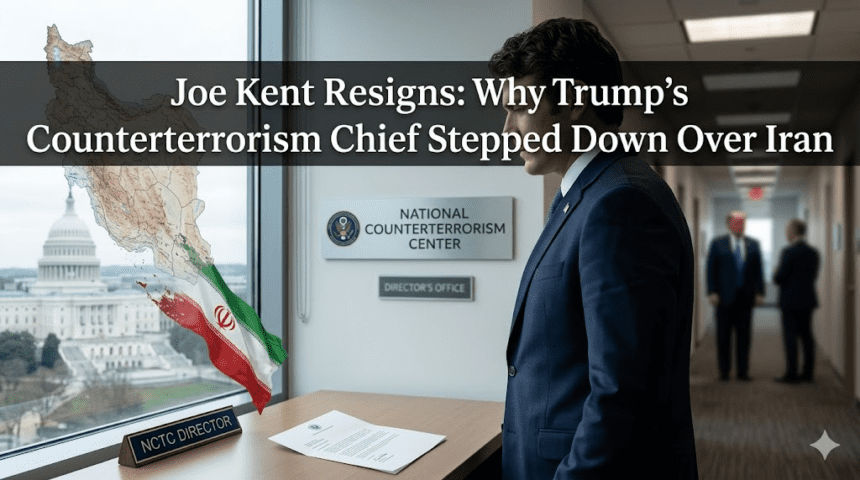

After serving less than eight months on the job, Joe Kent has officially resigned as the director of the National Counterterrorism Center (NCTC). His departure marks the highest-profile internal rebuke of the current administration’s military campaign in Iran.
Kent is not a typical Washington bureaucrat. He is a combat veteran and a prominent figure within the “America First” political movement. Consequently, his sudden exit is sending shockwaves through the political landscape. Below, we break down why he left, the explosive claims in his resignation letter, and what this means for the upcoming midterm elections.
The Breaking Point: Why Did He Resign?
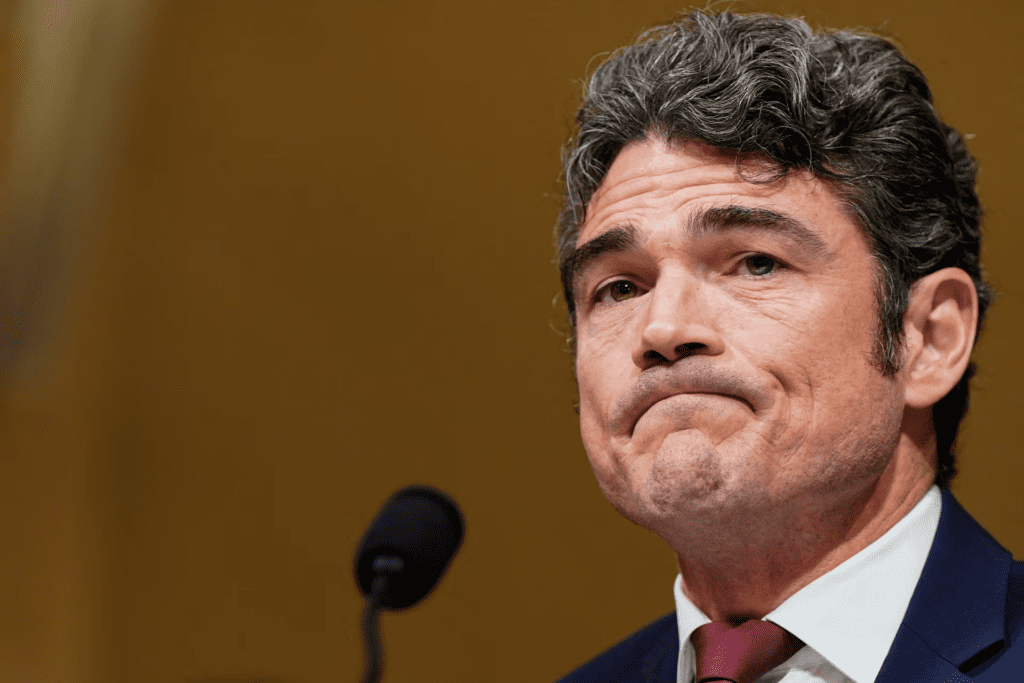
Kent published a scathing resignation letter directly addressed to President Donald Trump. He explicitly stated that he “cannot in good conscience support the ongoing war in Iran.”
Furthermore, Kent argued that the conflict goes directly against the anti-interventionist platform Trump championed during his campaigns. Specifically, Kent’s letter highlighted several major concerns:
- No Imminent Threat: Kent claimed that Iran posed no immediate danger to the United States, contradicting the administration’s official rationale for the strikes.
- Foreign Influence: He controversially blamed “pressure from Israel and its powerful American lobby” for pushing the administration into the conflict. He accused these groups of deceiving the president into believing a swift victory was possible.
- Avoiding Endless Wars: Kent compared the current situation to the intelligence failures that led to the US invasion of Iraq. Ultimately, he refused to support a war that he believes serves no benefit to the American people.
Who is Joe Kent?
To understand the weight of this resignation, you have to look at Kent’s extensive military and intelligence background.
Before joining the NCTC, Kent served in the US Army for 20 years as a Green Beret. He completed 11 combat deployments, including multiple tours in Iraq. Following his military retirement, he worked as a paramilitary officer for the Central Intelligence Agency (CIA).
His anti-war stance is also deeply personal. Tragically, his first wife, Shannon Kent, a US Navy cryptologic technician, was killed in a 2019 suicide bombing in Syria. In his letter, Kent cited her death as a primary reason he opposes sending a new generation into Middle Eastern conflicts.
The Political Fallout and Reactions
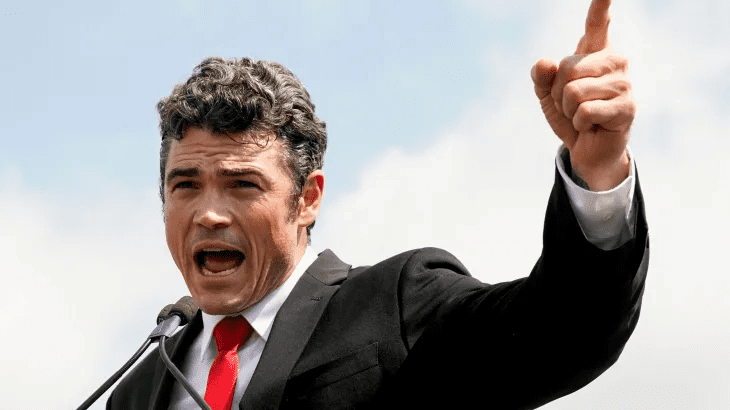
Unsurprisingly, Kent’s resignation has deeply divided the Republican party and the broader conservative media ecosystem.
President Trump quickly dismissed his former counterterrorism chief. Speaking from the Oval Office, Trump told reporters it was a “good thing” Kent left, labeling him “weak on security.” Similarly, Director of National Intelligence Tulsi Gabbard quickly distanced herself from her former subordinate, emphasizing her support for the commander-in-chief’s authority.
Conversely, some prominent conservative commentators rushed to Kent’s defense. Tucker Carlson praised Kent’s decision in a recent interview, calling him “the bravest man I know.” Carlson warned that neoconservatives would try to destroy Kent for speaking out against the intelligence apparatus.
Looking Ahead: The Midterm Impact
While Kent’s resignation will likely not change current US military strategy, it carries significant political consequences. Midterm elections are less than eight months away. Because Kent maintains a high profile within the Make America Great Again (MAGA) base, his criticism could serve as a bellwether. Ultimately, his public defection might signal a growing disillusionment among populist voters regarding foreign intervention.
Also Read : Selma Blair’s 2026 Oscar Elegance: A Milestone for Disability Visibility